ARIA Records Collective
Where serious musicians come to build something real.
ARIA Records is a collective for artists, producers, and hybrid creatives ready to do real work and build real music.
Diego Di AngeloLOSTK3V!NDavid Early
The Cause
The best music comes from musicians who trust each other.
The roster
Signed because nobody else sounds like them.
The collective is small on purpose: three musicians, chosen one at a time, each with the room, the time and the people behind them. Open a page to hear the work.

01 · Producer
LOSTK3V!N
Dark R&B, made at the top of its niche.
LOSTK3V!N has produced multiple songs for the top artists in dark R&B, and at such a young age he sets the bar everyone around him works to match. He breaks the genre's boundaries, folding techniques and sounds from many others into something new.
Dark R&BBeats and sound designMixing
LOSTK3V!N

02 · Recording artist
Diego Di Angelo
Hundreds of thousands of streams, under other names.
Diego Di Angelo has made songs with hundreds of thousands of streams under other names. Now he is building a sound of his own under his new one, combining genres into new ones, with a voice built for the studio and the stage.
Dark R&BVocalsA new sound
Diego

03 · Producer and recording artist
David Early
From behind the boards to the front of the record.
David Early has produced across many mainstream genres for many different artists, and now uses that range to make genres of his own. He sang background vocals on other people's songs; now his own voice is the front of the record.
Reggaeton, R&B, pop and rapProductionVocals
Early
Not on the label
The musicians on ARIA.
Everyone listed on the ARIA Network, with their music and a page of their own here. Not signed, and not asking to be: listed by a person who listened.
ARIA Records was built on a single belief: when artists, producers, and hybrid creatives work inside a real network, with real equipment, real creative direction, and real relationships, the music they make is in a different class.
The studio is in Ormond Beach, Florida. The network is not. We work with artists wherever they are, and the room is there when you need a room. We are small by design and everyone here is working. If you are serious about your craft and ready to make music that actually moves people, whatever genre that lives in, this is your place.
What ARIA Offers
You bring the talent. We bring the infrastructure.
Every member of the ARIA Records collective gets access to the space, the support and the network that most independent artists spend years trying to piece together on their own. Then there is the software, which is the part nobody expects: twenty-one tools of it, listed below.
01
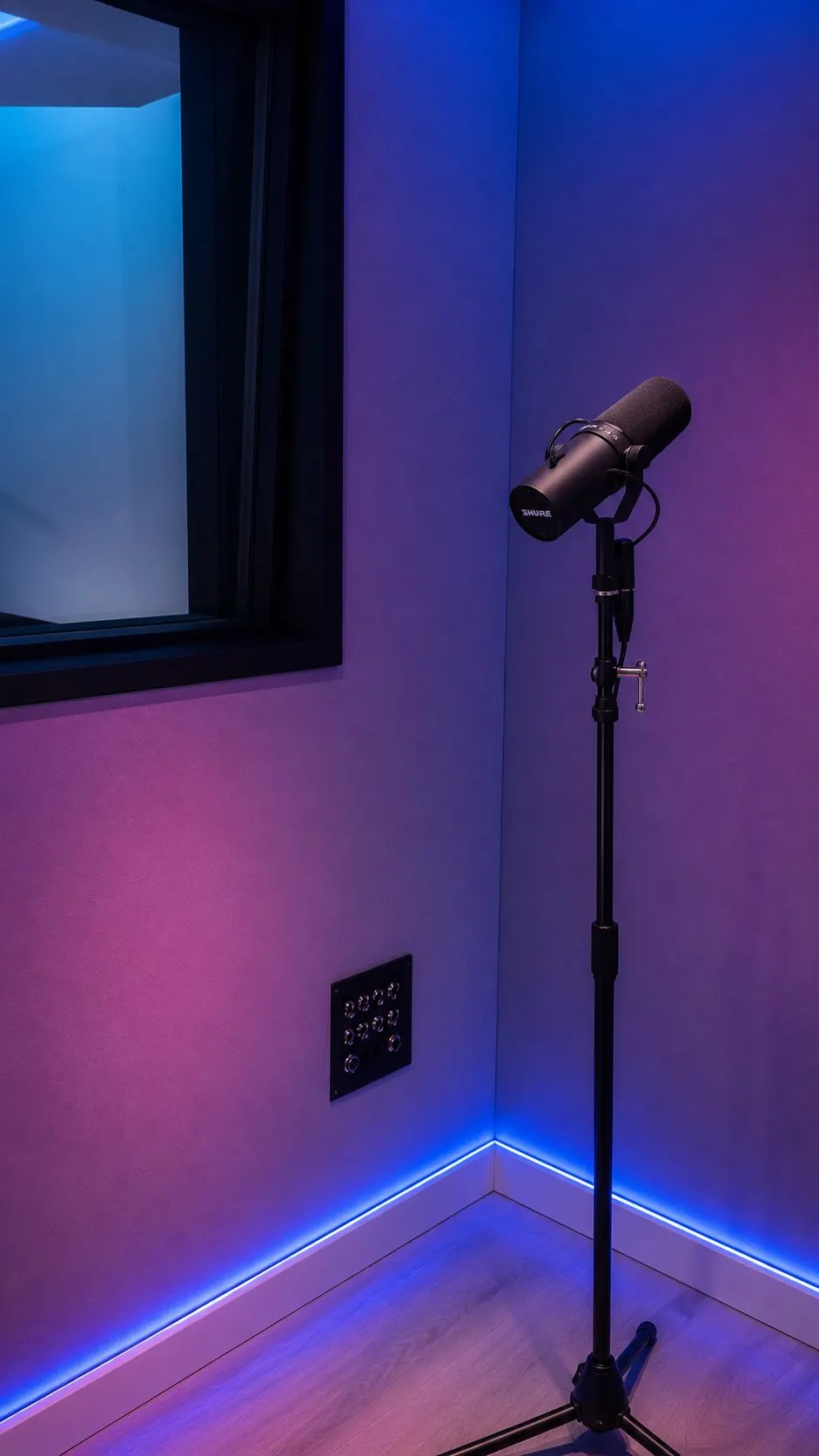
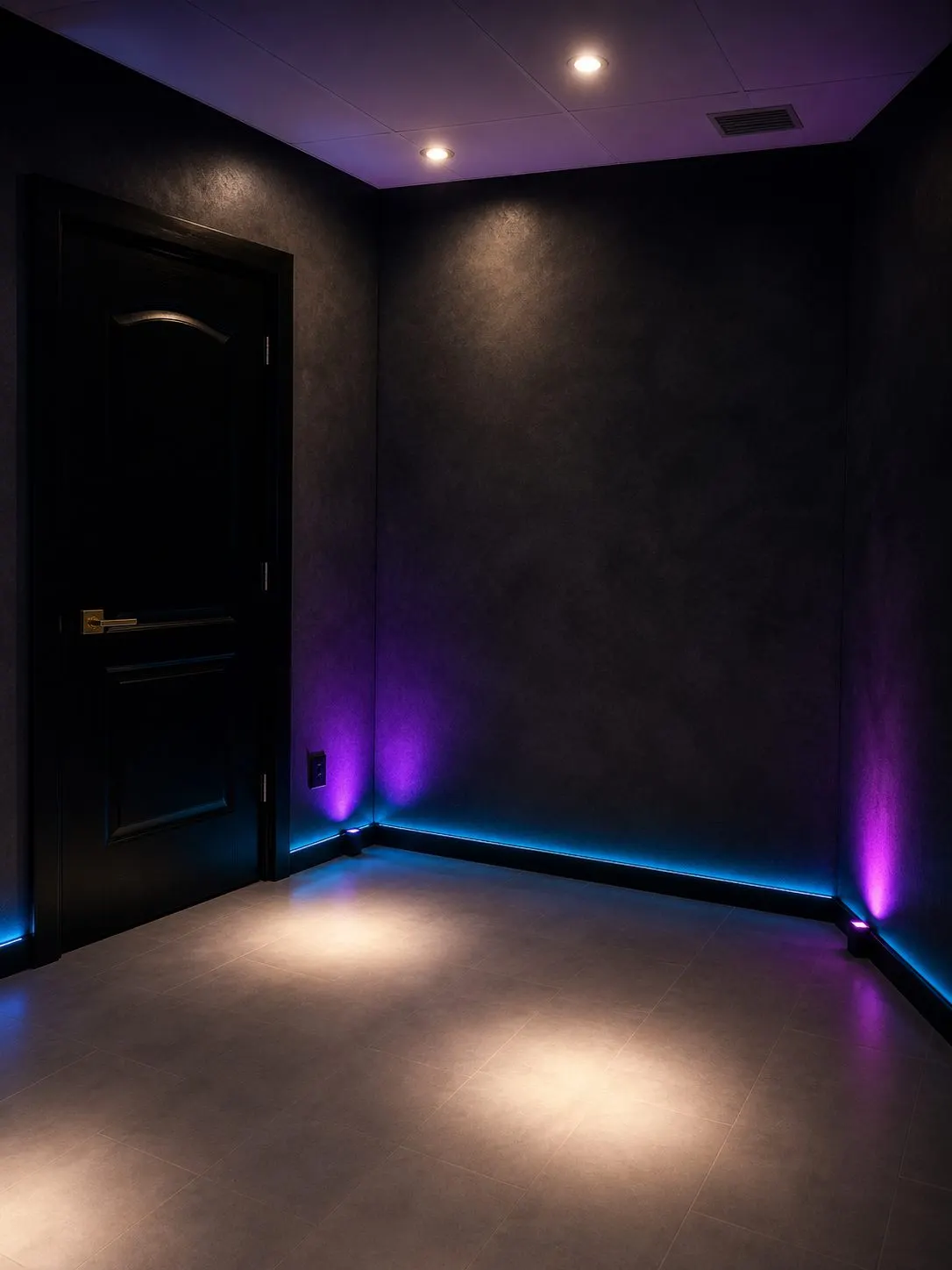
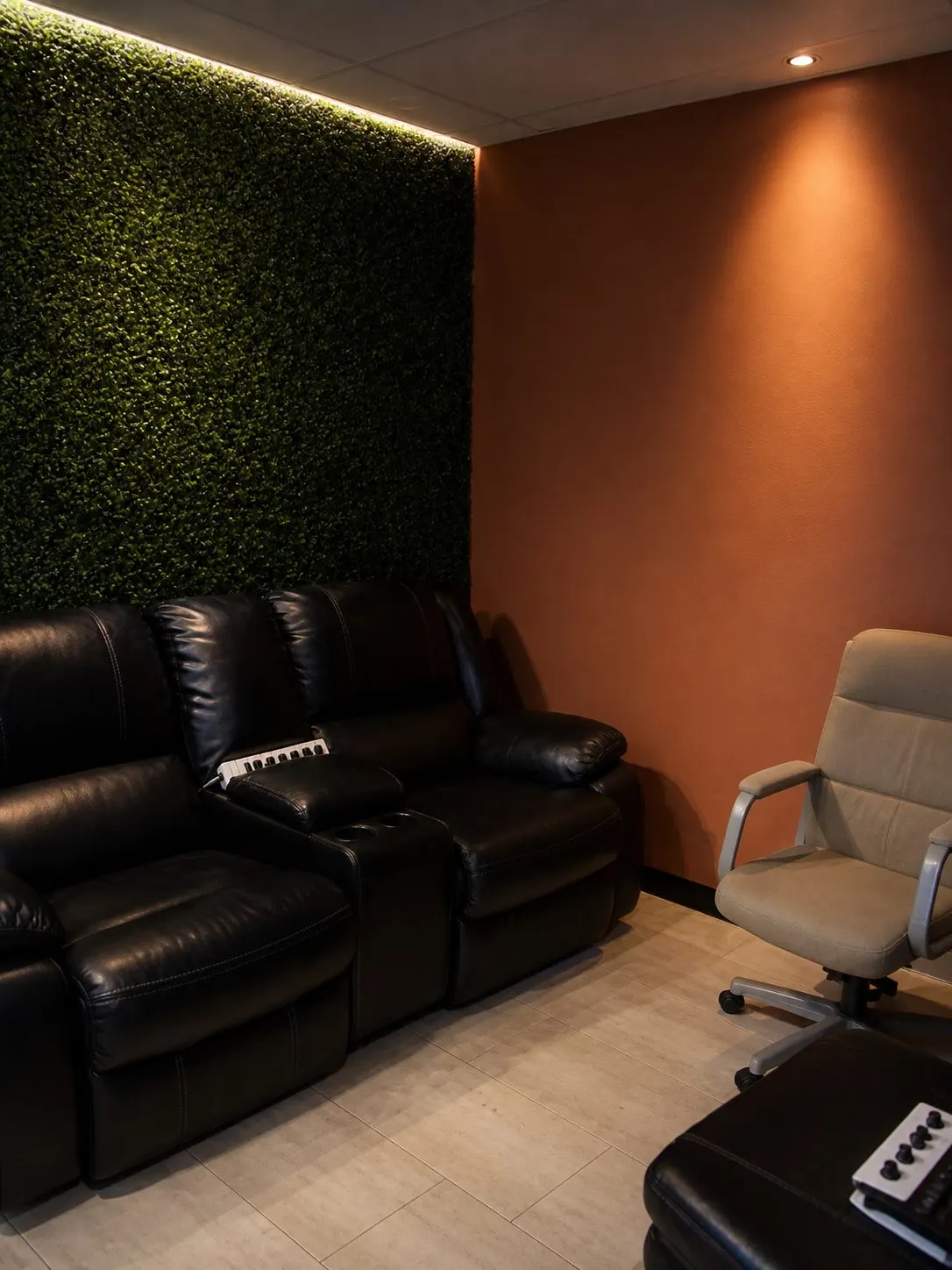
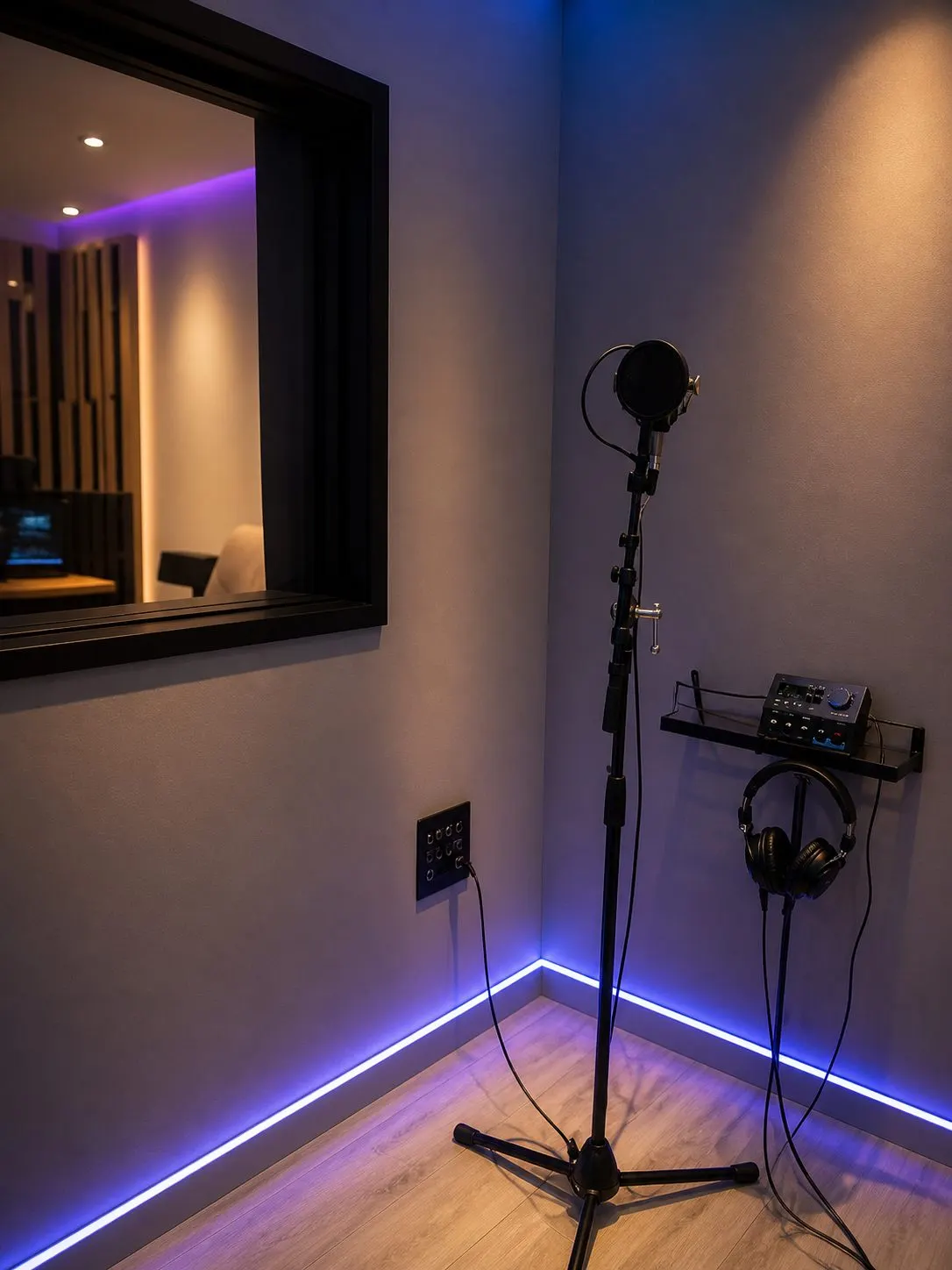
DJ Studio 37 Recording Access
Professional studio time in Ormond Beach, covering tracking, production, mixing, and mastering, in a space built for contemporary music production across all genres.
02
Real Creative Collaboration
Work alongside other artists, producers, and hybrid creatives in the collective. Co-writes, joint sessions, and honest creative feedback from people who care about the music.
03
Creative Direction
The ARIA Records team has opinions and will share them. From sonic identity to release strategy, you get a creative partner who wants your project to be great, not just done.
04
Release Support
Distribution coordination, release planning, and support getting your music from session file to streaming platform in a way that reflects the quality of the work.
05
A Network, Not a Transaction
ARIA Records is a collective, not a vending machine. The relationships you build here, with the team and with other members, are the point. We grow together.
06
Serious about Their Craft
ARIA Records is not for everyone. It is for artists and producers who are deliberate about their sound, committed to quality, and ready to put in the work, whatever genre they work in.
What you are owed
One song. Four organisations. None of them talk to each other.
This is the part that costs independent artists the most, and it is not a talent problem or a marketing problem. It is that nobody is told the money arrives in four separate places, from four bodies you have to register with individually.
4
Separate registrations for one song: a PRO, The MLC, SoundExchange, and Content ID
through your distributor.
$0
What three of the four cost to join. Free at BMI, free at The MLC, free at
SoundExchange.
~1 in 5
Of the money paid out on your song is on the songwriting side, a separate
cheque your distributor never sends you.
$424m
Received by The MLC in historical royalties from 2007 to 2020, a large share of
it still unmatched to the writers who earned it.
Every one of those registrations is free and you can do all of them
yourself in an evening. We would rather you did. The
handbook is the whole list, and it is public. What the toolkit
below does is make sure it actually happens, for every release, permanently.
Why we work this way
The maths most artists are never shown.
None of this is secret and none of it is a scandal. It is just the arithmetic of a standard deal, and almost nobody sees it written down before they sign one.
15 to 20%
A new artist's typical share of their own recording. Everything recoupable comes
out of that slice, not the label's.
$30k
What an artist on an 18% deal with a $150,000 advance is paid on a record that
generated a million dollars.
4
Separate organisations that owe you money for one song. Three are free to join and
most artists are registered with none of them.
100%
Of your masters and publishing that you keep here. There is no advance, so there
is nothing to recoup.
The full arithmetic, with every step shown, is on
the about page. What you can do about it, all of it free, none
of it needing us, is in the handbook.
Applying
What signing gives you, and how to ask.
The collective is selective: a handful of musicians, chosen one at a time. If it is right, this is what comes with it.
10hoursOf DJ Studio 37 a week, free, with an engineer, and the mix and master of what you record in them. After that, half price.
100%Of your masters and your publishing stays yours. No advance, so nothing to recoup.
21toolsEvery tool in the toolkit, free: the deadlines, the registrations, the paperwork and the money.
1teamBehind every release: the plan, the pitch, the creative direction and the people.
-
1
The scorecard
A few minutes on where you are: what you release, how you collect, what it is costing you. Every application starts with it, so we know you before we listen, and you keep the list of what to fix whatever we say.
-
2
-
3
We listen, and answer
A person listens to every application, and you hear back yes or no, with what to do next either way. Never a form reply, and never silence.
Not ready to apply? Start on the Board: an open board for musicians, producers and engineers wherever you are, free to read and a free account to post. If what you want is the room rather than the label, DJ Studio 37 books by the hour.



 Recording artistslike Diego Di Angelo
 Producerslike LOSTK3V!N
 Hybrid creativeslike David Early